




All Models
Optimized and Validated by Qualcomm
Filter by
Domain/Use Case
Chipset
Device
Model Precision
Runtime
Tags
- A “backbone” model is designed to extract task-agnostic representations from specific data modalities (e.g., images, text, speech). This representation can then be fine-tuned for specialized tasks.
- A “foundation” model is versatile and designed for multi-task capabilities, without the need for fine-tuning.
- Models capable of generating text, images, or other data using generative models, often in response to prompts.
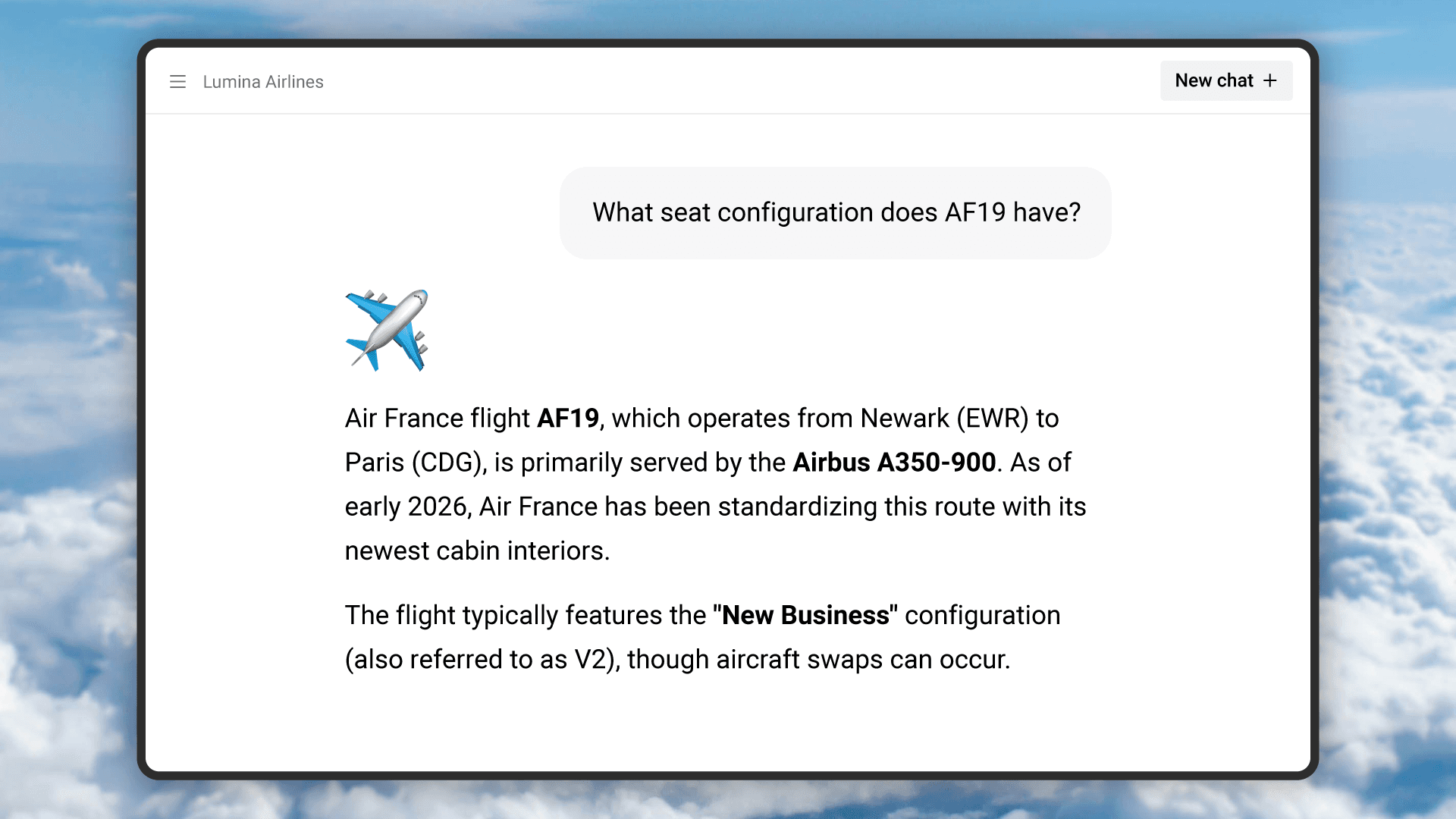
- Large language models. Useful for a variety of tasks including language generation, optical character recognition, information retrieval, and more.
- Models trained and released by third-party ecosystem partners, then optimized to run on Qualcomm devices.
- Mixture-of-experts models. Route each token through a small subset of expert sub-networks, delivering large model capacity at a fraction of the per-token compute.
- A “real-time” model can typically achieve 5-60 predictions per second. This translates to latency ranging up to 200 ms per prediction.
- Models for robotic perception, planning, and control — including vision-language-action policies. Useful for tasks like manipulation, navigation, and embodied reasoning across diverse robot platforms.
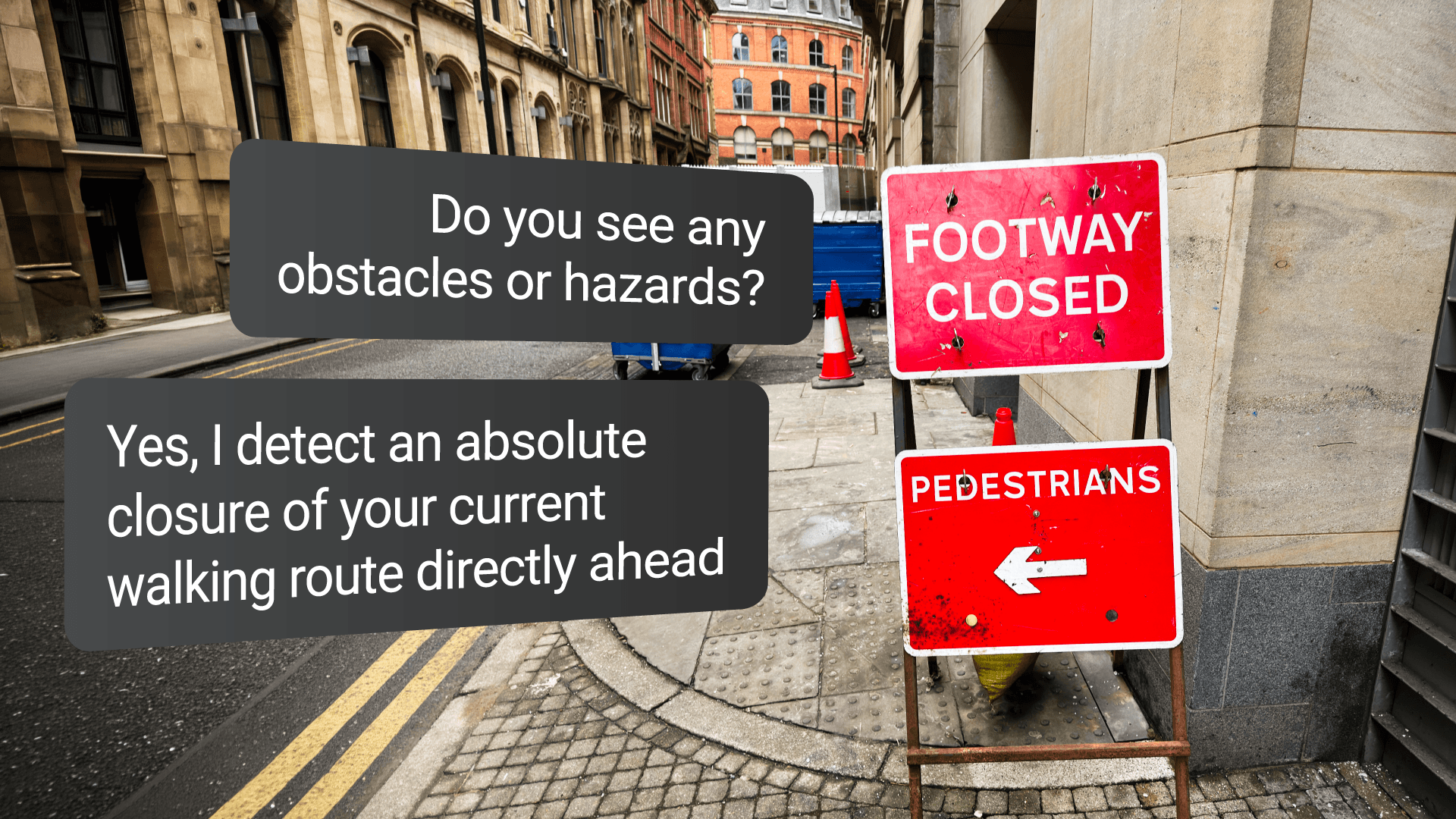
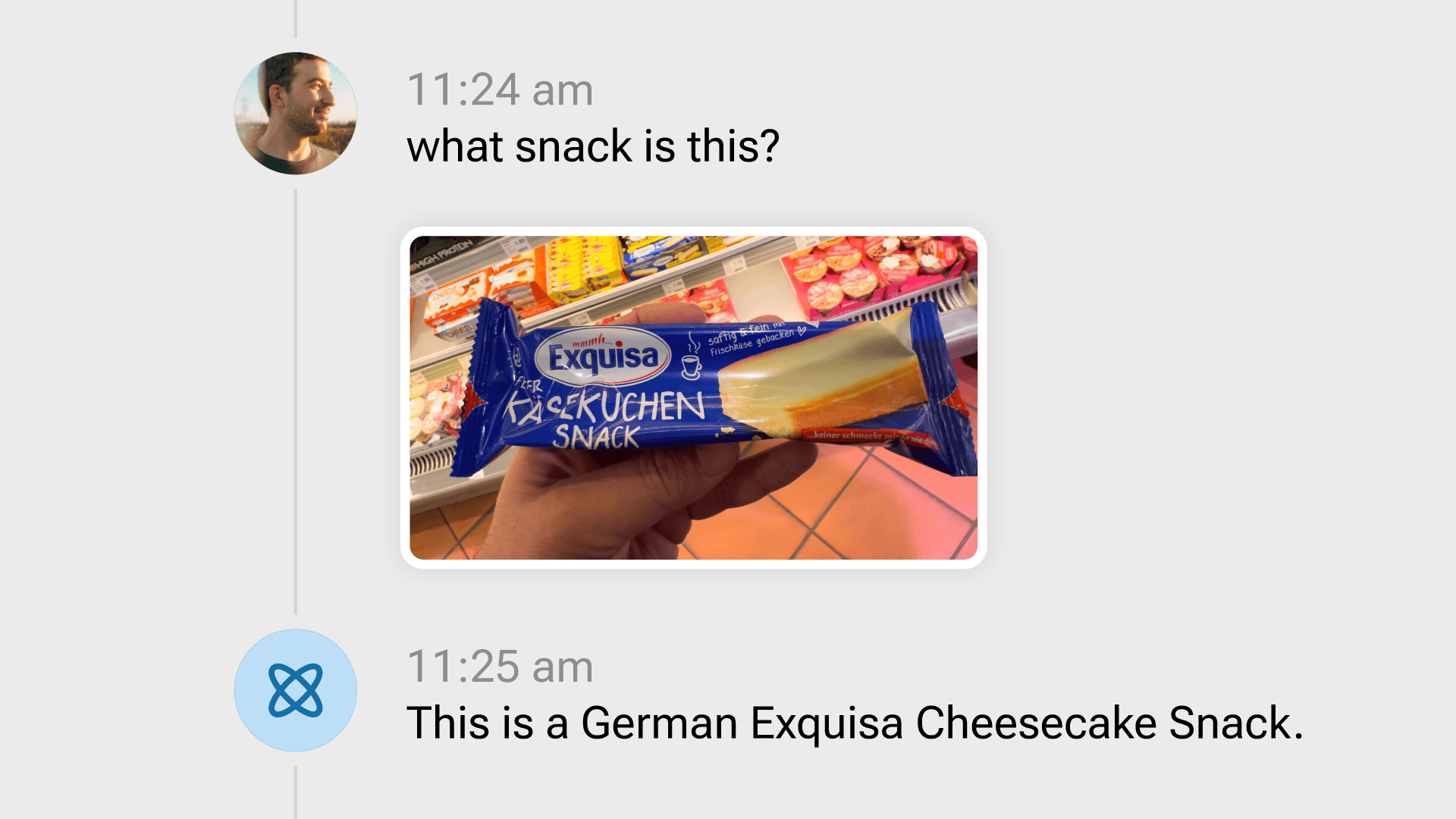
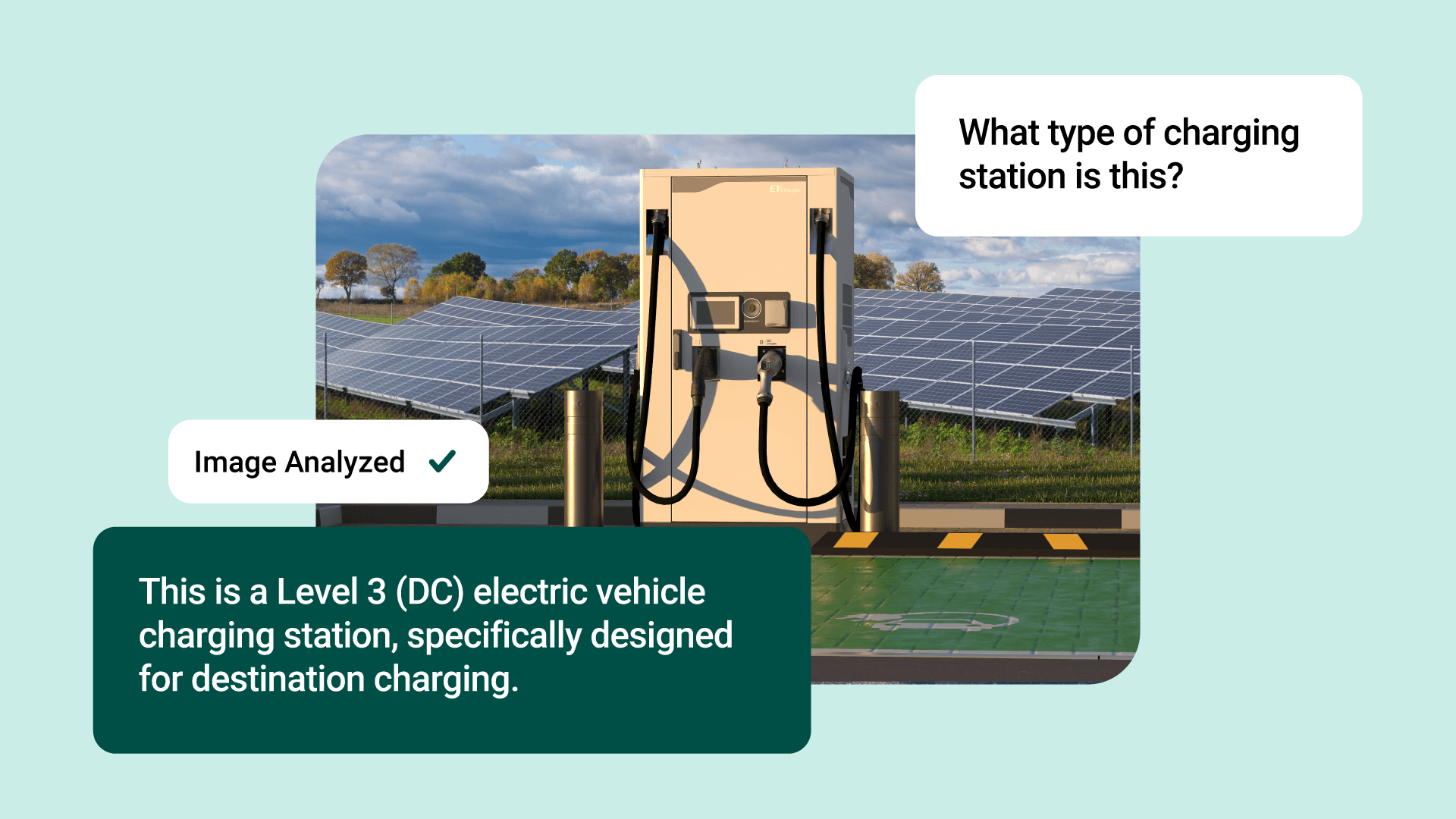
- Vision language models. Understand and reason about images alongside text, useful for tasks like visual question answering, image captioning, and multimodal retrieval.
510 model variants (229 models)